

Thailand LTR Visa
Thailand’s Long-Term Resident (LTR) Visa is a government program designed for qualified foreigners who want a long, stable stay in Thailand (up to 10 years, with conditions). You apply for the LTR through the Board of Investment (BOI) LTR online system, and after you receive qualification endorsement you complete visa issuance either in Bangkok (via the Thailand Investment and Expat Services Center—TIESC) or at a Royal Thai Embassy/Consulate-General overseas (process and fees can vary by location). This page is the “explain-it-like-I’m-buying” guide: where to apply, what it costs, how long it takes, and what to prepare—plus what to do if you don’t qualify.

Quick summary: Where to apply, fees, and timeline (LTR visa)
Where do I apply?
- Online via the BOI LTR system (qualification endorsement stage).
- Then choose visa issuance in Thailand (Bangkok/TIESC) or overseas at a Royal Thai Embassy/Consulate-General.
How much does it cost? (typical)
- 50,000 THB per person for the 10-year, multiple-entry LTR visa when collecting/issuing in Thailand.
- Work permit (if applicable): typically 3,000 THB per year to maintain.
- If you collect the visa overseas, the fee can vary by embassy/consulate and currency and may be higher than the Thailand-issued fee.
How long does it take? (typical)
- Qualification endorsement: often around 20 working days once documents are complete (longer if additional documents are requested).
- Pre-approval for visa issuance: often 1–3 working days (longer if additional documents are requested).
- Your overall time depends heavily on document readiness, category complexity, and where you choose to issue the visa.
What are the main steps?
- Pick your LTR category → 2) Apply online (BOI) → 3) Respond to requests → 4) Get endorsement → 5) Choose issuance location → 6) Pay fee & receive visa → 7) (If applicable) obtain/maintain work permit
What is the Thailand LTR Visa?
エリート Thailand Long-Term Resident (LTR) Visa is a long-stay visa program designed to attract qualified residents such as high-net-worth individuals, retirees with qualifying income, remote workers employed by eligible companies, and highly skilled professionals.
Depending on your category, the LTR can offer advantages like:
- A long permission to stay (structured as a long-term program rather than short renewals)
- The ability to work legally in Thailand for eligible categories (with work authorization steps)
- A more predictable immigration setup compared with frequent visa runs
Because the LTR is a formal, criteria-based program, the most important part is not “filling a form”—it’s proving eligibility with the right evidence (income, assets, employer/company profile, insurance, and supporting documents).
お問い合わせ
Who is the LTR Visa for? (Main categories)
Below is a buyer-friendly overview of the four common LTR categories and what you typically need to prove. Requirements can be strict, so think of these as the “core proof points” you must be ready to document.
Wealthy Global Citizens
This category is generally designed for applicants with substantial assets and investment capacity in Thailand.
You typically need to show evidence of:
- High net worth / assets (commonly measured in USD terms)
- Income history (often requiring consistent annual income)
- A qualifying investment in Thailand (the program specifies acceptable investment types)
- Health insurance (or a qualifying alternative pathway such as deposit/social security, depending on your situation)
Common document pain points
- Proving the source and ownership of assets
- Aligning investment documents to accepted types and timing
- Bank letters and statements that meet format expectations
Wealthy Pensioner (Age 50+)
This category is designed for retirees aged 50 or older who can document qualifying income and (in some cases) investment and insurance.
You typically need to show evidence of:
- Age eligibility (50+)
- Passive/unearned income (for example pension/retirement income), supported by official documentation
- Health insurance coverage (or an accepted alternative)
- Additional evidence depending on income level (some applicants may need to show further financial backing)
Common document pain points
- Pension letters that don’t clearly show the correct type of income
- Income documents not covering the required time period
- Insurance certificates missing required details
Work-from-Thailand Professionals
This category is designed for remote workers employed by overseas companies that meet specific business profile requirements.
You typically need to show evidence of:
- Your income level (supported by payslips/bank statements/tax documents)
- Employment status and work experience (employment contract + role confirmation)
- That your employer is eligible (for example: established operation history and a revenue threshold over recent years, as defined by the program)
- Health insurance (or a qualifying alternative pathway)
Common document pain points
- Employer revenue documents not matching the required period or not officially certified
- Company documents that are not properly translated or authenticated
- Ambiguity around whether the company structure (subsidiary/parent) fits the rules
Highly Skilled Professionals
This category targets applicants working in specified industries or roles (often aligned with Thailand’s targeted sectors), with verifiable expertise and income.
You typically need to show evidence of:
- Relevant qualifications/experience (CV + references + professional evidence)
- Eligible employment/engagement in Thailand or with qualifying organizations (depending on the sub-path)
- Income evidence and supporting documents
- Health insurance (or accepted alternative)
Common document pain points
- Proving that the role/industry matches the program’s definitions
- Inconsistent job titles vs actual job function
- Missing supporting certificates, licenses, or reference letters
Dependents (spouse and children)
LTR holders can often include eligible dependents—typically:
- A legal spouse, and
- Children under a specified age threshold (commonly under 20)
Important practical notes
- The program limits the number of dependents (commonly up to four).
- Dependents usually require their own application/account steps and then must be linked to the main applicant inside the system.
If you’re applying as a family, your timeline often depends on how quickly everyone’s documents are prepared in the correct format.
Where to apply for the Thailand LTR Visa (step-by-step)
This is the clearest way to think about “where to apply” for LTR: you apply online first (BOI system), then you complete visa issuance either in Bangkok or overseas.
Step 1: Choose your correct LTR category
Pick the category that matches your real situation (income source, age, employer profile, skills). Applying under the wrong category is one of the fastest ways to delay or derail an application.
Step 2: Prepare your evidence (before you submit)
Build your document pack first: identity documents, financial evidence, employer/company evidence (if relevant), and insurance proof (if required). “Almost complete” packs frequently trigger additional document requests and delays.
Step 3: Apply online through the BOI LTR system (qualification endorsement)
Where you apply: the official BOI LTR online system. This stage is about qualification endorsement—proving you meet the criteria.
Step 4: Respond quickly to any document requests
It’s common to receive a request to clarify or add evidence. Fast, accurate responses are the easiest way to protect your timeline.
Step 5: Receive qualification endorsement
Once endorsed, you move to the visa issuance stage. Think of this as: “Approved in principle—now complete issuance.”
Step 6: Choose where you want the visa issued (Thailand or overseas)
You typically choose one of these: Issue/collect in Thailand (Bangkok) via the service center (TIESC), or Issue/collect overseas at a Royal Thai Embassy/Consulate-General (some locations may route through e-visa practices)
Step 7: Pay the fee, receive the visa, and complete post-issuance steps
Pay the visa fee (commonly 50,000 THB per person when issued in Thailand) If your category allows/needs it, complete work authorization steps and maintain compliance (including any annual work permit fee if applicable)
What can slow things down (most common)
- Income evidence that doesn’t match the required type (for example, mixing salary vs passive income)
- Employer/company documents that don’t meet required formats (or aren’t properly translated/authenticated)
- Health insurance paperwork missing key details (coverage amount, duration, named insured)
- Investment documentation that doesn’t match accepted types or timing
- Dependents’ documents submitted late or not properly linked in the system
Documents checklist (what you should prepare)
エリート Thailand Long-Term Resident (LTR) Visa is a long-stay visa program designed to attract qualified residents such as high-net-worth individuals, retirees with qualifying income, remote workers employed by eligible companies, and highly skilled professionals.
Depending on your category, the LTR can offer advantages like:
- A long permission to stay (structured as a long-term program rather than short renewals)
- The ability to work legally in Thailand for eligible categories (with work authorization steps)
- A more predictable immigration setup compared with frequent visa runs
Because the LTR is a formal, criteria-based program, the most important part is not “filling a form”—it’s proving eligibility with the right evidence (income, assets, employer/company profile, insurance, and supporting documents).
Thailand LTR Visa fees (what to budget)
- Exact requirements vary by category, but most successful applications start with a clean, well-labeled pack.
- Core documents (most applicants)
- Passport bio page and entry/visa pages (as applicable)
- Recent photograph (as required format)
- Proof of address (Thailand or overseas, depending on your route)
- Bank statements and/or bank letters
- Income evidence (employment income or passive income, depending on category)
- Tax documents (if used as supporting evidence)
- Health insurance certificate (or alternative proof if applicable)
- Marriage certificate / birth certificates for dependents (if bringing family)
- Translations and authentication/legalization where required
- Category add-ons (examples)
- Work-from-Thailand / Highly Skilled: employment contract, employer confirmation letter, company registration/profile documents, revenue evidence for the relevant period
- Wealthy Global Citizen: asset proof + qualifying investment documentation
- Wealthy Pensioner: pension/retirement income proof and confirmation that the income type matches the category’s definition
- If you want a second set of eyes before you submit, you can contact us here: Contact ThaiElite Express
Thailand LTR Visa fees (what to budget)
Here’s the practical, real-world way to budget—without overcomplicating it.
1) Government visa fee (LTR)
- 50,000 THB per person is the commonly stated fee for the 10-year, multiple-entry LTR visa when issued/collected in Thailand.
- If you issue/collect the LTR overseas, fees can vary by embassy/consulate and currency, and may be higher than the Thailand-issued fee.
2) Work permit costs (if applicable to your category)
If your LTR pathway includes work authorization, budget for ongoing work permit maintenance costs. A commonly published figure is:
- 3,000 THB per year to maintain the work permit (where a work permit is required/issued).
3) “Hidden but normal” extra costs
These are not unique to LTR—they’re standard for serious immigration filings:
- Certified translations (if documents are not in Thai/English where required)
- Notarization/authentication/legalization (depending on document origin)
- Courier fees for original documents (if needed)
- Travel/appointments (if issuing overseas or attending Bangkok service appointments)
Thailand LTR Visa timeline (what’s realistic)
Timelines vary, but most applicants care about two windows: endorsement time と visa issuance time.
Typical published processing windows (when documents are complete)
- Qualification endorsement: often around 20 working days
- Pre-approval for visa issuance: often 1–3 working days
The 60-day rule you should not ignore
After you receive the endorsement/approval letter, there is typically a limited validity period (commonly 60 days) to complete the next issuance step. If you’re traveling or coordinating family documents, plan around that window.
A simple “what to expect” view
Scenario | What it looks like | Why |
Fast | Documents are complete, category is straightforward | Fewer clarification requests |
Typical | One or two document clarifications | Common for employer, income, or insurance details |
Slow | Multiple rounds of requests; dependents added late; documents need legalization | Preventable with better preparation |
Applying while in Thailand vs from abroad (what most people do)
You can begin the online endorsement process regardless of where you are, but the practical difference is where you choose to issue/collect the visa:
- If you are already in Thailand (or plan to be), many applicants choose Bangkok issuance for convenience.
- If you are outside Thailand, you may choose issuance at a Royal Thai Embassy/Consulate-General (expect local variations).
Travel note (TDAC)
If you’re traveling into Thailand to attend appointments or to collect your visa, check current arrival requirements. Thailand has implemented the Thailand Digital Arrival Card (TDAC) process for travelers (replacing the old paper TM.6 in many cases).
Avoid scams: how to apply safely
Because “LTR visa” is a high-intent search term, scams exist.
Best practice
- Always start with the official BOI LTR online system for the application workflow.
- If you use outside help, verify the provider’s legitimacy and what they actually do (document preparation vs submitting on your behalf vs accompanying you to appointments).
LTR Visa vs Thailand Privilege Card (which is better?)
They solve different problems.
LTR Visa (criteria-based)
- Best for applicants who clearly meet the financial/employment/skill thresholds and want a government long-stay framework tied to those criteria.
Thailand Privilege Card (membership-based alternative)
- Often a better fit if you:
- don’t meet LTR thresholds,
- prefer a membership-based long-stay option, or
- want long-stay benefits without building an LTR evidence package.
If you want to compare your best path, start here:
Or go straight to the application flow: Apply for Thailand Privilege (Thailand Elite)
How ThaiElite Express can help
LTR is a government program, and the official application process runs through the BOI system. What we do is make your decision and preparation easier.
We can help you:
- Identify the most realistic LTR category for your profile
- Build a document plan to reduce back-and-forth requests
- Review your evidence pack for clarity and completeness before you submit
- Decide when LTR is not the best fit—and move quickly to a long-stay alternative like the Thailand Privilege Card
ThaiElite Express is an authorized General Sales & Services Agent (GSSA) for the Thailand Privilege Card and is supported by established legal infrastructure (as part of Harvey Law Group Thailand).
Learn more about us:
About ThaiElite Express
Talk to our team:
お問い合わせ
FAQ about Thailand LTR Visa
You apply through the BOI LTR online system (qualification endorsement stage). After endorsement, you complete visa issuance either in Bangkok (TIESC) or overseas at a Royal Thai Embassy/Consulate-General, depending on your chosen route and appointment availability.
Yes. You can begin the online endorsement process while in Thailand. Many applicants then choose to issue/collect the visa in Bangkok. The best route depends on your current immigration status, travel plans, and how quickly your documents can be finalized.
A common published benchmark is around 20 working days for qualification endorsement (longer if additional documents are requested). After endorsement, a pre-approval stage for issuance may take 1–3 working days, but the total timeline depends on how complete your documents are and where you choose to issue/collect the visa.
A commonly published government fee is 50,000 THB per person for the 10-year multiple-entry LTR visa when issued/collected in Thailand. If you collect the visa overseas, the fee can vary by embassy/consulate and currency. If your category includes work authorization, budget for ongoing work permit maintenance costs (often stated as 3,000 THB per year).
Most applicants need: passport, photo, proof of address, income/asset evidence, bank documents, health insurance (or accepted alternative), and relationship documents for dependents. Work-related categories also require employment and employer/company documentation (contracts, confirmation letters, and company revenue/profile evidence).
If you don’t meet LTR thresholds (or you want a simpler long-stay path), the Thailand Privilege Card is a popular long-stay alternative. You can review the program here:
Thailand Privilege Visa 2026 guide
The LTR workflow runs through the official BOI system. ThaiElite Express can support you with eligibility assessment and document readiness, helping you avoid common mistakes that trigger delays. If you want hands-on guidance, the fastest way to start is here:
Contact ThaiElite Express
Next step: get clarity before you submit
If you’re serious about LTR, the best “speed hack” is not rushing the form—it’s submitting the right evidence the first time.
- If you want to pursue LTR: talk to us for a document and category fit check → お問い合わせ
- If you want a long-stay alternative that’s membership-based: start here → Apply for Thailand Privilege
Check if You're Qualified for a Thailand LTR
OTHER Thailand Privilege PROGRAMMES

PLATINUM MEMBERSHIP
This PLATINUM membership is ideal for individuals who want to enhance their experience with an extended stay of 10 years residency in Thailand.
期間: 10年
入会金: THB 1.5 million (VAT included)
Supplementary Membership Card: 1,000,000 THB
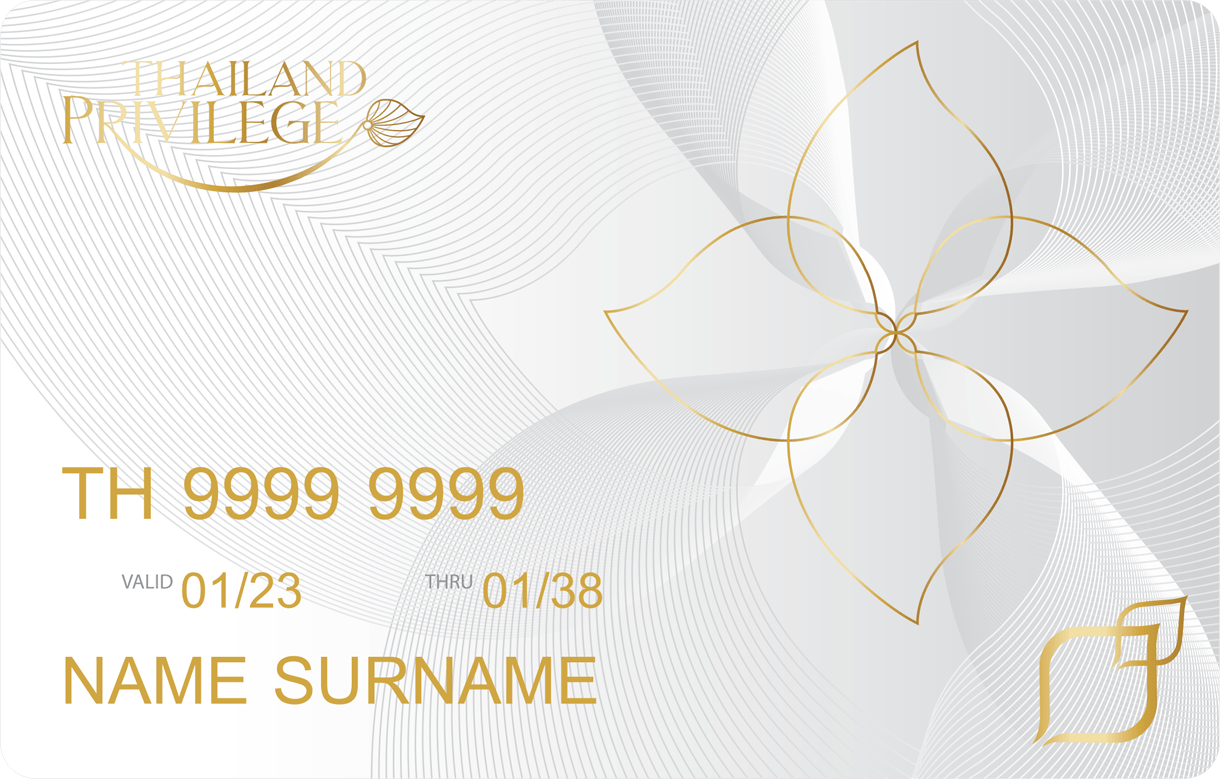
DIAMOND MEMBERSHIP
The DIAMOND membership package secures you the right to live in Thailand for up to 15 years.
期間: 15 years
入会金: THB 2.5 million (Exclusive of VAT)
Supplementary Membership Card: 1,500,000 THB
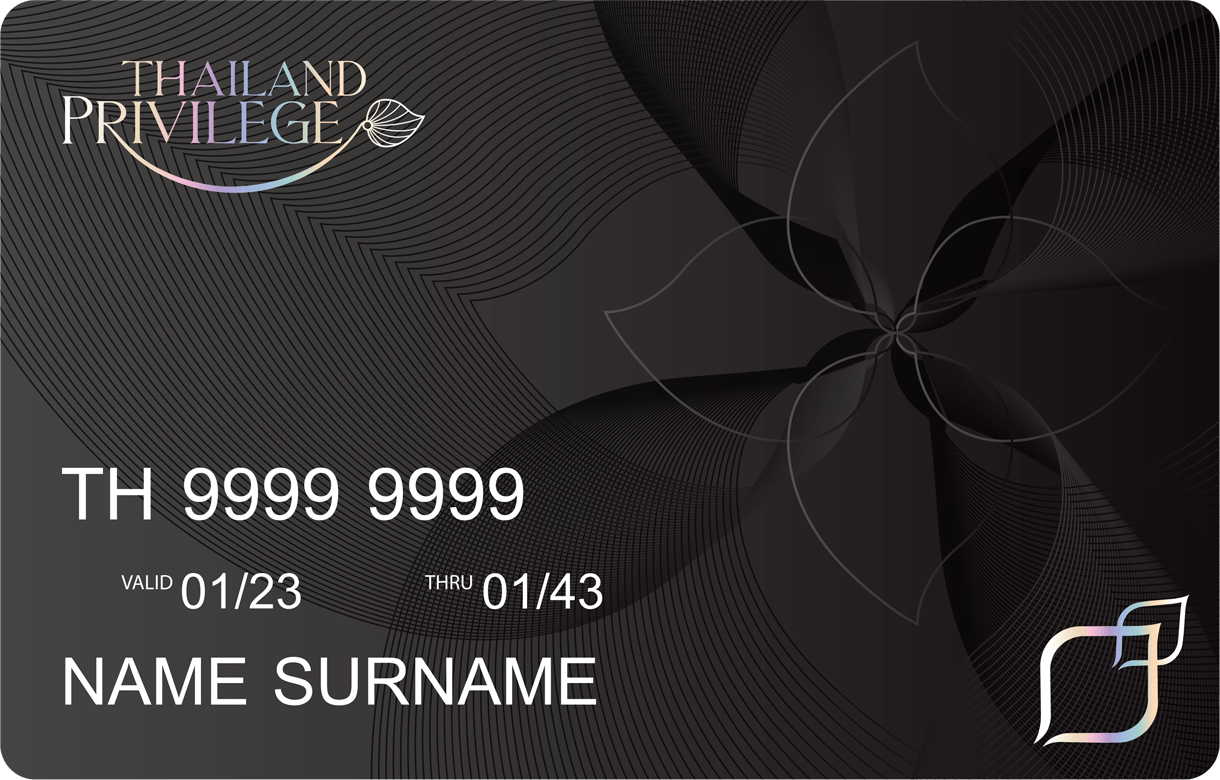
RESERVE MEMBERSHIP
With Thailand Privilege Card’s RESERVE Membership, you gain the privilege of an extended 20-year residency in Thailand.
期間: が可能です
入会金: THB 5 million (VAT Included)
Supplementary Membership Card: 2,000,000 THB